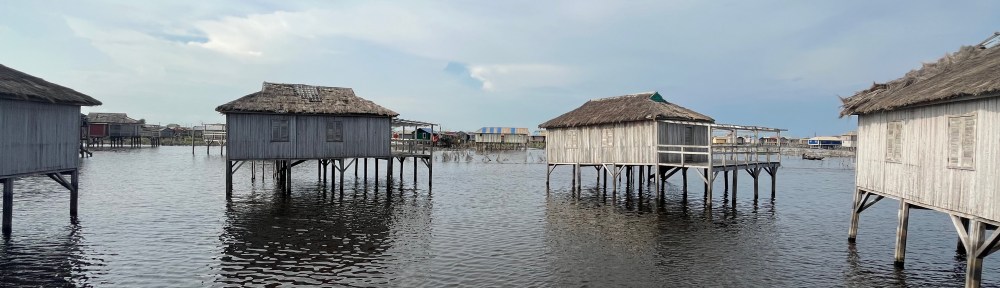
Culture and heritage are critical for adaptation and resilience. Culture includes norms, values and worldviews, and the beliefs, customs, and behaviours they influence. These shape how we respond to climate change and its impacts. Heritage includes traditional practices, skills and knowledge that can support resilience and adaptation. These can include knowledge of the local environment and skills in managing environmental challenges. Threats to tangible heritage in the form of culturally important sites might act as catalysts for wider adaptation action.
Multiple studies have highlighted how adaptation interventions often fail or make things worse because they pay insufficient attention to local contexts. Ignoring culture and heritage increases the likelihood that adaptation actions will be resisted, weakens local buy-in and ownership, and makes it less likely that adaptation actions will succeed. Only by complementing an understanding of risk with an understanding of local culture and heritage contexts can we ensure that adaptation actions are relevant, appropriate, effective and sustainable
In this module, we look at how integrating culture and heritage into adaptation can lead to better adaptation outcomes. We explore how centering culture and heritage can (i) leverage local capacity and (ii) ensure that local contextual factors are taken into account. We look at how culture and heritage mediate responses to climatic and environmental change, and how they can leverage adaptation and resilience on the one hand, and constrain it on the other.
We also look at how culture can drive climate inaction and maladaptation, and how this might be addressed.
Key questions addressed in the module include:
- Why do adaptation interventions often fail or increase vulnerability and risk?
- How can such maladaptation be avoided?
- How can the integration of culture and heritage in adaptation actions help?
- What do we mean when we talk about culture and heritage – how are they different?
- How can culture and heritage leverage resilience and adaptation?
- How can culture and heritage act as barriers to adaptation?
- Which norms and values are (in)compatible with adaptation and wider climate action?
- How do we work with rather than against culture and heritage?
 Garama Training